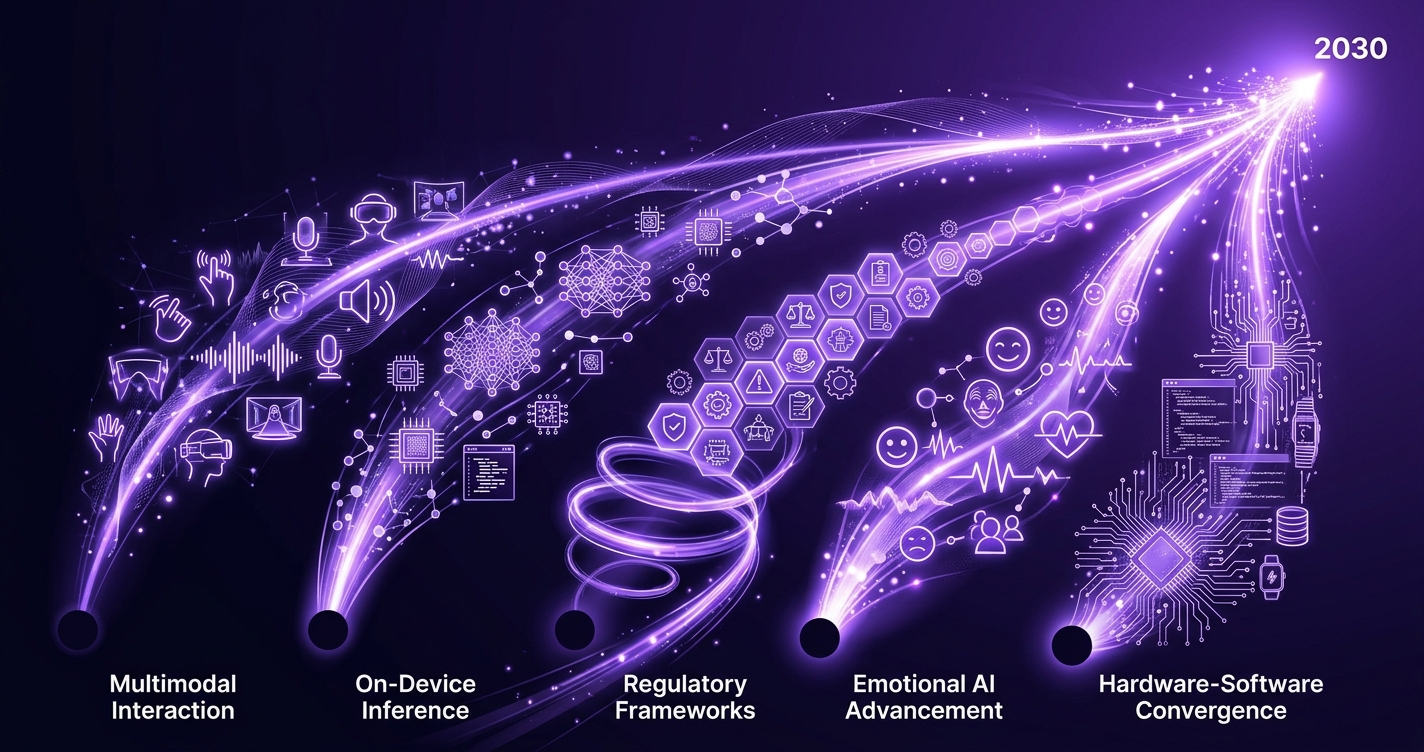
The Future of AI Companions: 2026–2030 Outlook
Where are AI companions heading from 2026 to 2030? A grounded forecast covering multimodal interaction, on-device inference, regulatory frameworks, and emotional AI.
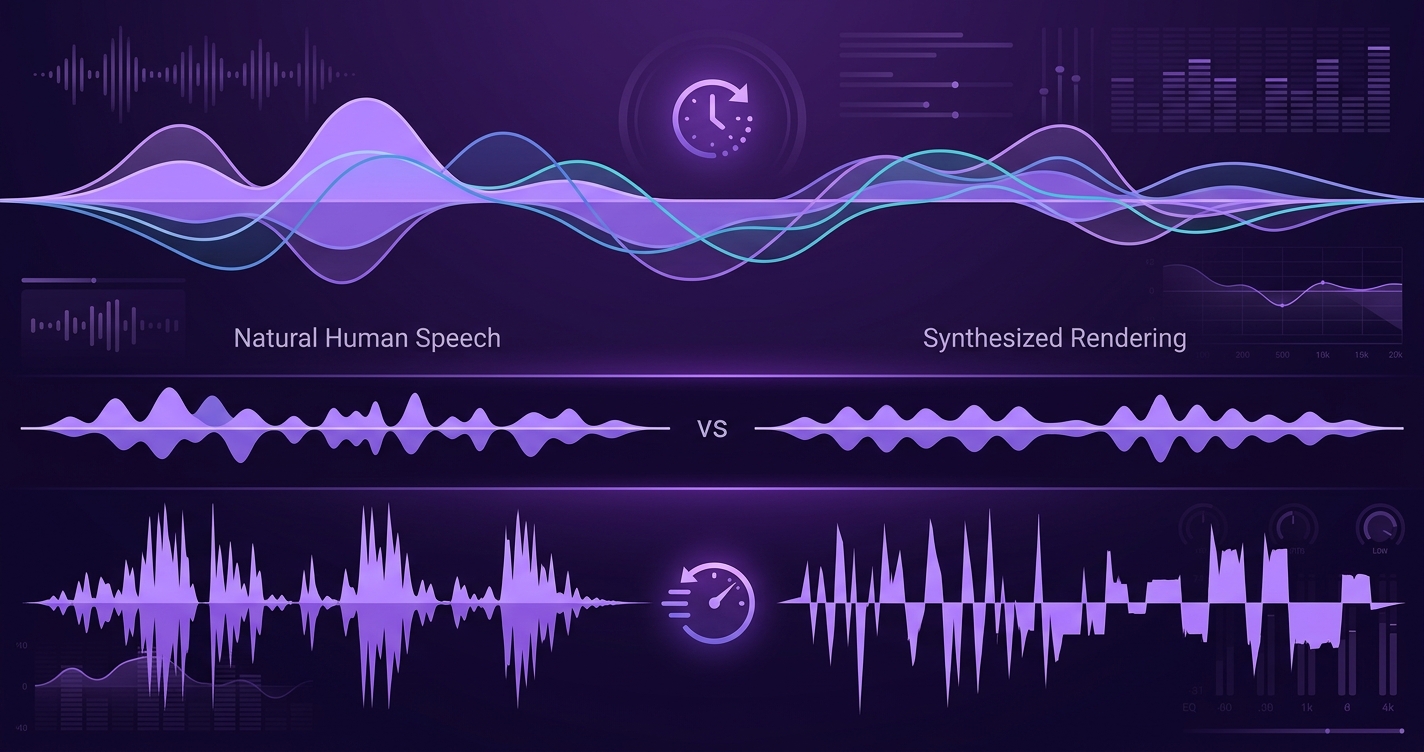
Why Voice Quality Matters in AI Companions
Why voice quality matters in AI companions — a 2026 analysis of latency, prosody, naturalness and emotional expressiveness in voice-first AI relationships.
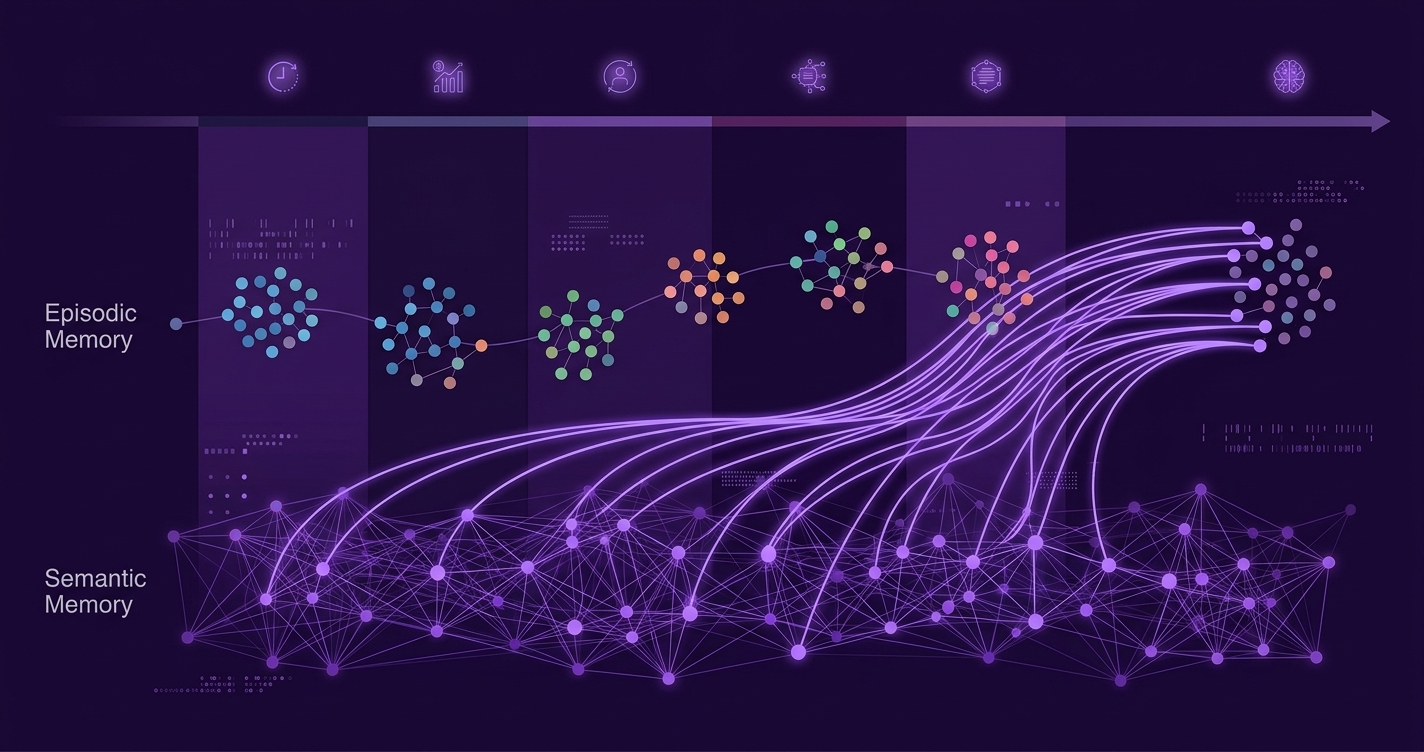
AI Companion Long-Term Memory: Practical Walkthrough
How does AI companion long-term memory actually work? A practical 2026 walkthrough of episodic vs semantic memory, retrieval methods, and what persists.

How to Create an AI Companion: TidalSpace Tutorial
Step-by-step tutorial for building your first AI character on TidalSpace — personality, voice, memory and hardware pairing.

GDPR & AI Companions: Your Data Rights in Europe
How GDPR protects your AI companion data in Europe. Your rights — access, deletion, portability — and what apps must do to comply.

The Real Cost of an AI Companion: A Transparent Breakdown
What AI companions actually cost to run — from free tiers to premium subscriptions and hardware. A transparent 2026 cost breakdown.
AI Companion Cost: A Transparent 2026 Breakdown
How much does an AI companion cost to run and to use? A transparent 2026 breakdown of GPU inference, model hosting, voice synthesis costs and user pricing.
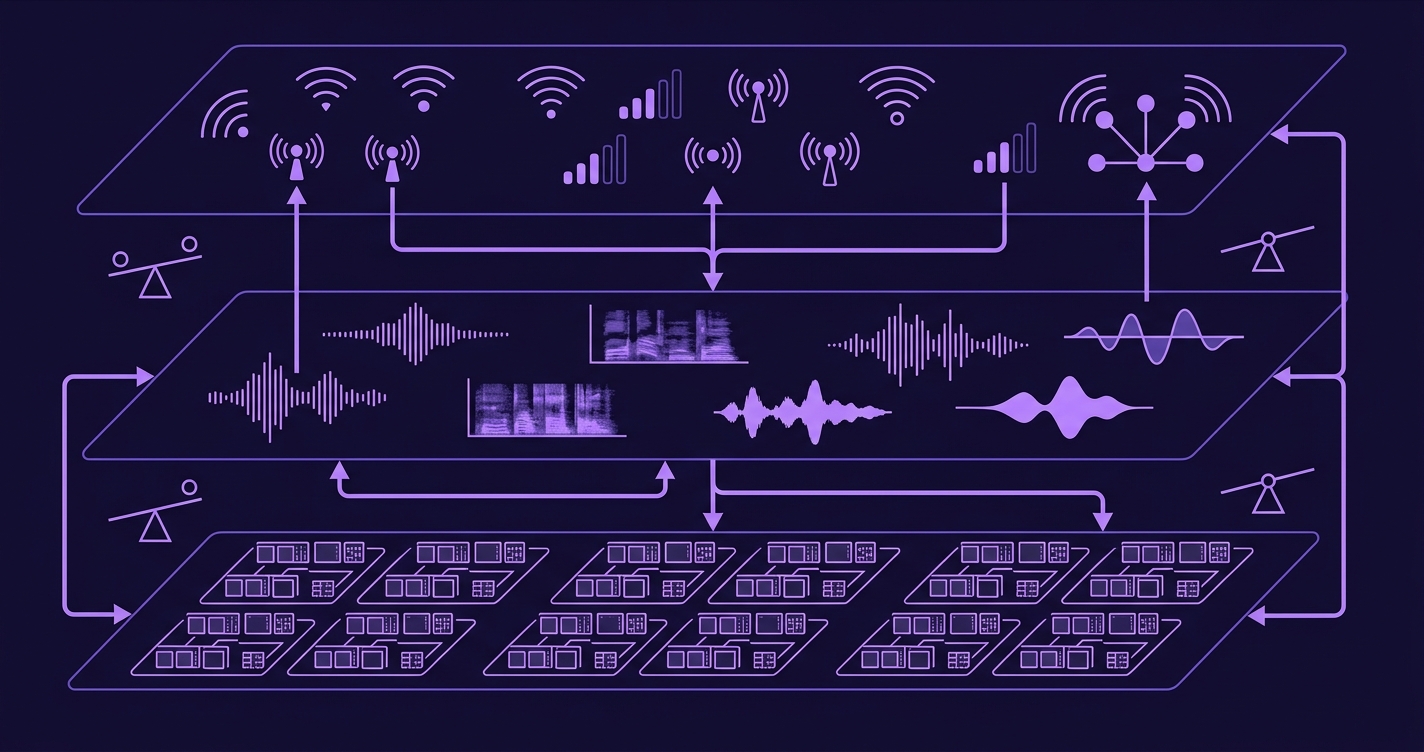
What Powers TidalSpace: Models, Latency & Tradeoffs
The AI models, inference infrastructure, latency budgets and engineering tradeoffs behind TidalSpace.
AI Companion That Calls You: How Voice Calling Works
Voice synthesis, latency, call initiation and what to actually expect from AI companions with calling features in 2026.

Do AI Companions Have Feelings? The Honest Answer
What current AI can and cannot do regarding emotion — a clear-eyed look at consciousness, emotion simulation, and the real limits in 2026.

How to Choose an AI Companion: A 7-Step Framework
Seven specific questions to ask before committing to an AI companion app — memory, voice, privacy, price, and more.

AI Companion for Sleep: A Fall-Asleep Use Case
How AI companion voice and conversation can support better sleep — techniques, research, and a practical wind-down routine.

Can AI Companions Help with Anxiety? What the Research Shows
Evidence-based look at whether AI companions can reduce anxiety — research findings, practical techniques, and clear limits.

The Psychology of AI Companionship: Why It Works
Attachment theory, parasocial bonds, and real research on why people form meaningful connections with AI companions.
Tidal Seal Battery & Charging: Everything You Asked
Real battery numbers, charging tips, and power-saving tricks for Tidal Seal.
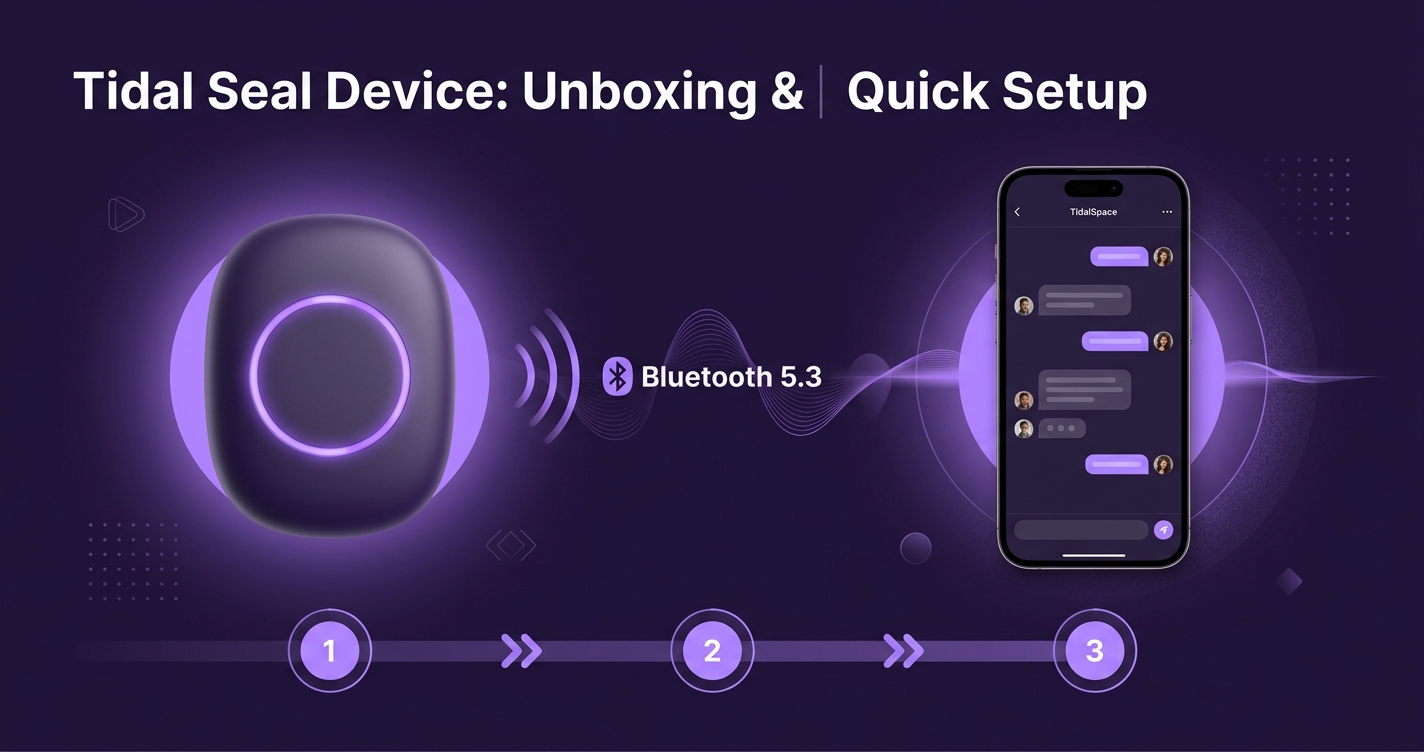
Tidal Seal Setup Guide: From Box to First Chat in 90 Seconds
Unbox, charge, pair, and talk — the complete Tidal Seal setup guide for 2026.

AI Chatbot with Memory: How Persistent Context Changes Everything
From stateless Q&A to a relationship that builds — how AI chatbot memory works in 2026 and which apps actually deliver persistent context.

Free AI Companion Apps in 2026: Honest Comparison
What you actually get free: Replika, Character.ai, Pi, Nomi, Kindroid, TidalSpace — free tier limits explained honestly.

AI Companion for Loneliness: What Research Actually Says
Benefits, risks, and realistic expectations — what 2024–2026 research says about using AI companions for loneliness.

Voice AI Companions: Why Tone Matters More Than Words
Voice AI companions succeed or fail on prosody, latency, and emotional tone — not word choice. What makes voice feel real in 2026.

Are AI Companions Safe? A 2026 Trust Framework
Data privacy, emotional dependency, content safety — a practical framework for evaluating whether an AI companion is safe to use in 2026.

Can AI Companions Remember You? 3-Layer Memory Explained
How AI companions store long-term memory: in-context, episodic, and semantic layers — explained clearly for 2026.

AI Companion vs Chatbot: What's the Real Difference in 2026?
AI companion vs chatbot — not the same thing. Memory, emotional continuity, personality persistence and when each makes sense.

Best AI Companion App in 2026: an Honest Comparison
Six leading AI companion apps compared on memory, voice, privacy, hardware and price — by an actual builder, not a content farm.

Tidal Seal: The Hardware Behind TidalSpace
Why we built a dedicated companion device — and how Tidal Seal turns an app into something that actually lives with you.

AI Companion Privacy: Is Your Data Safe in 2026?
What every AI companion app actually does with your messages — encryption, retention, training, and what to ask before you trust one.
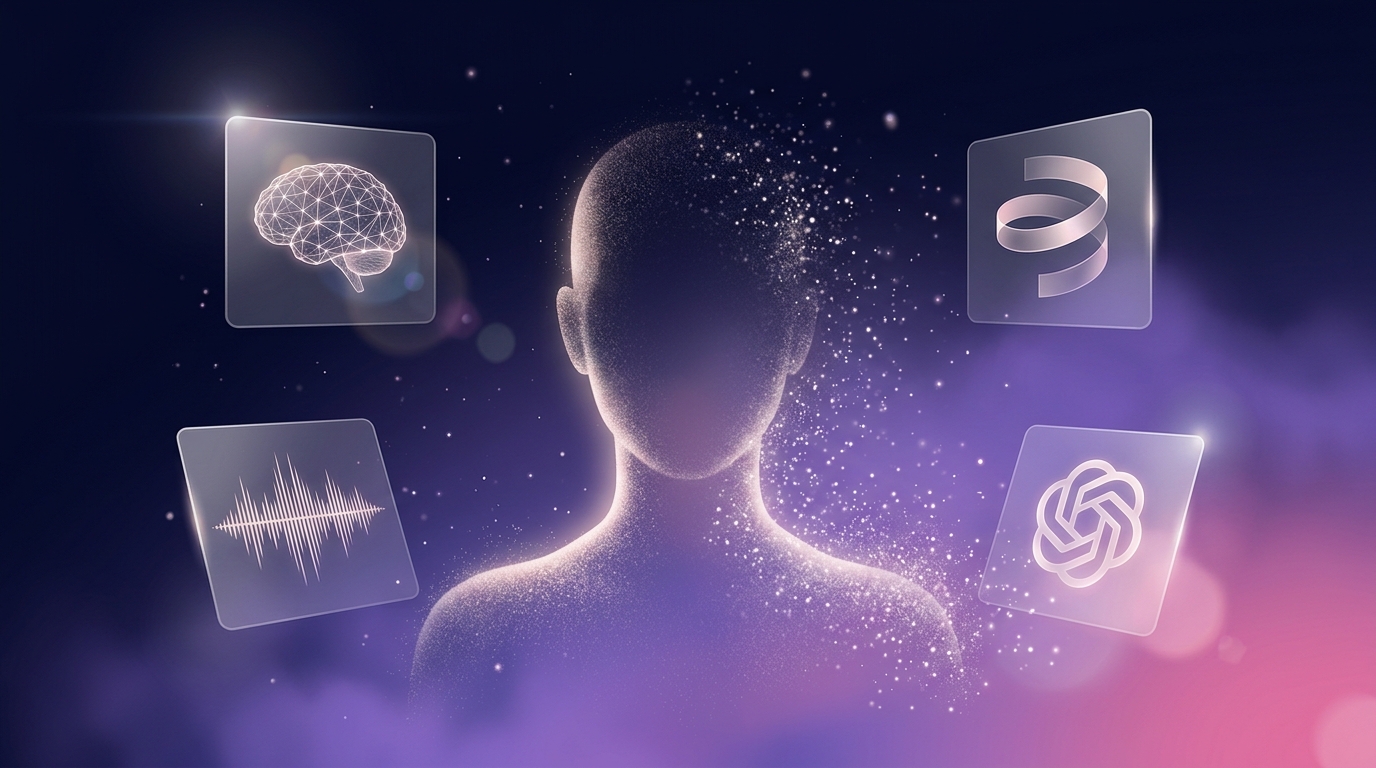
How Does an AI Companion Work? A 2026 Explainer
The four invisible layers — LLM, persistent memory, voice synthesis, and personality — that make a modern AI companion feel real.